





Point-of-care tests for the dental clinic: vitamin D, HbA1c and CRP from capillary blood, with readers from VHC, Qassay and botissCARE, as well as lancets, alcohol swabs and accessories.
Point-of-Care (POC) Diagnostics
Get valid "chairside" test results for a range of different markers in 15 minutes, based on a single drop of blood.
Choose between several systems
How the test works
From blood sample to result – on the screen or in the app
botissCARE, VHC and Qassay all measure from a capillary drop of blood and give a quantitative result in about 15 minutes – but they present the result differently afterwards. Follow the three steps from sample to result.
Step 1
1
Sample collectionA capillary drop of blood from the patient.
Step 2
Step 3 · The result
Step 3 · The result is shown directly on the device
The reader shows the quantitative value on its own display. No app, no syncing – the result is ready to be entered in the record as soon as the measuring time is up.
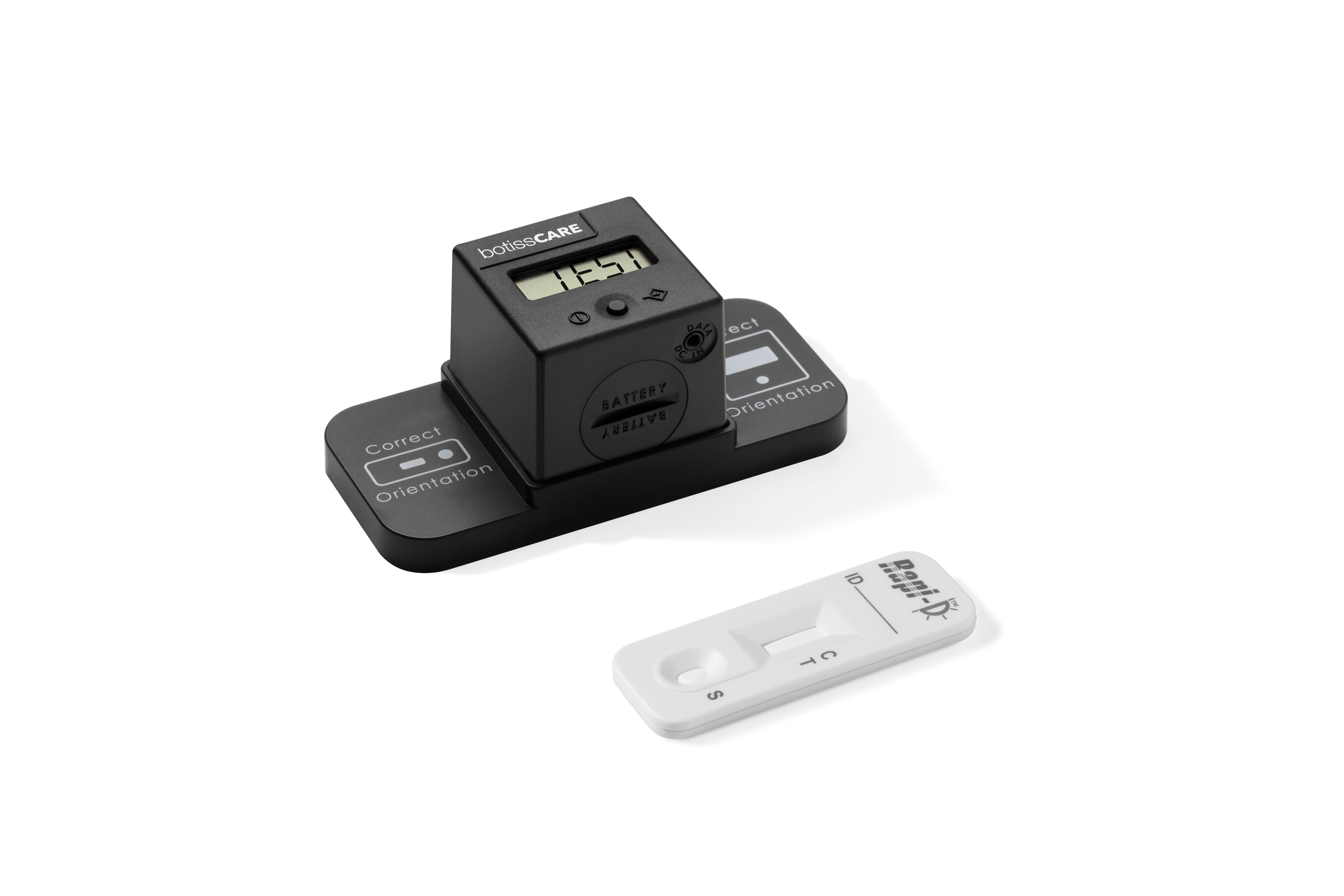
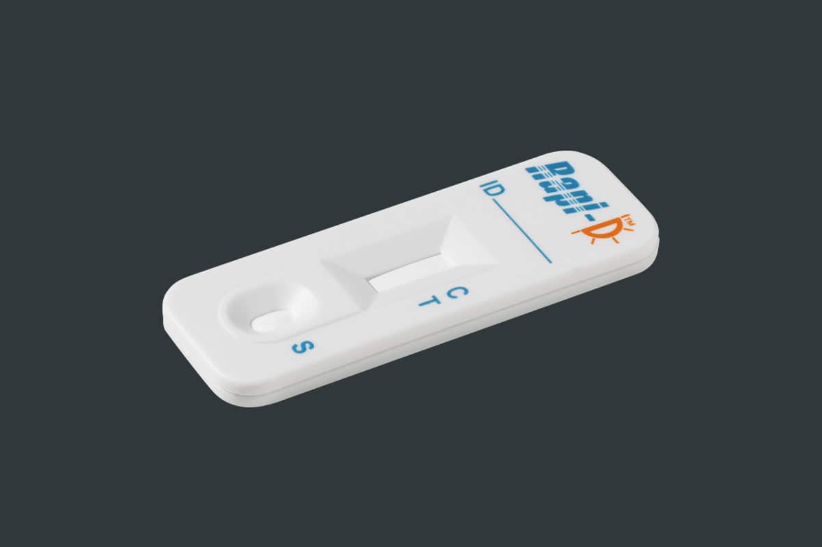
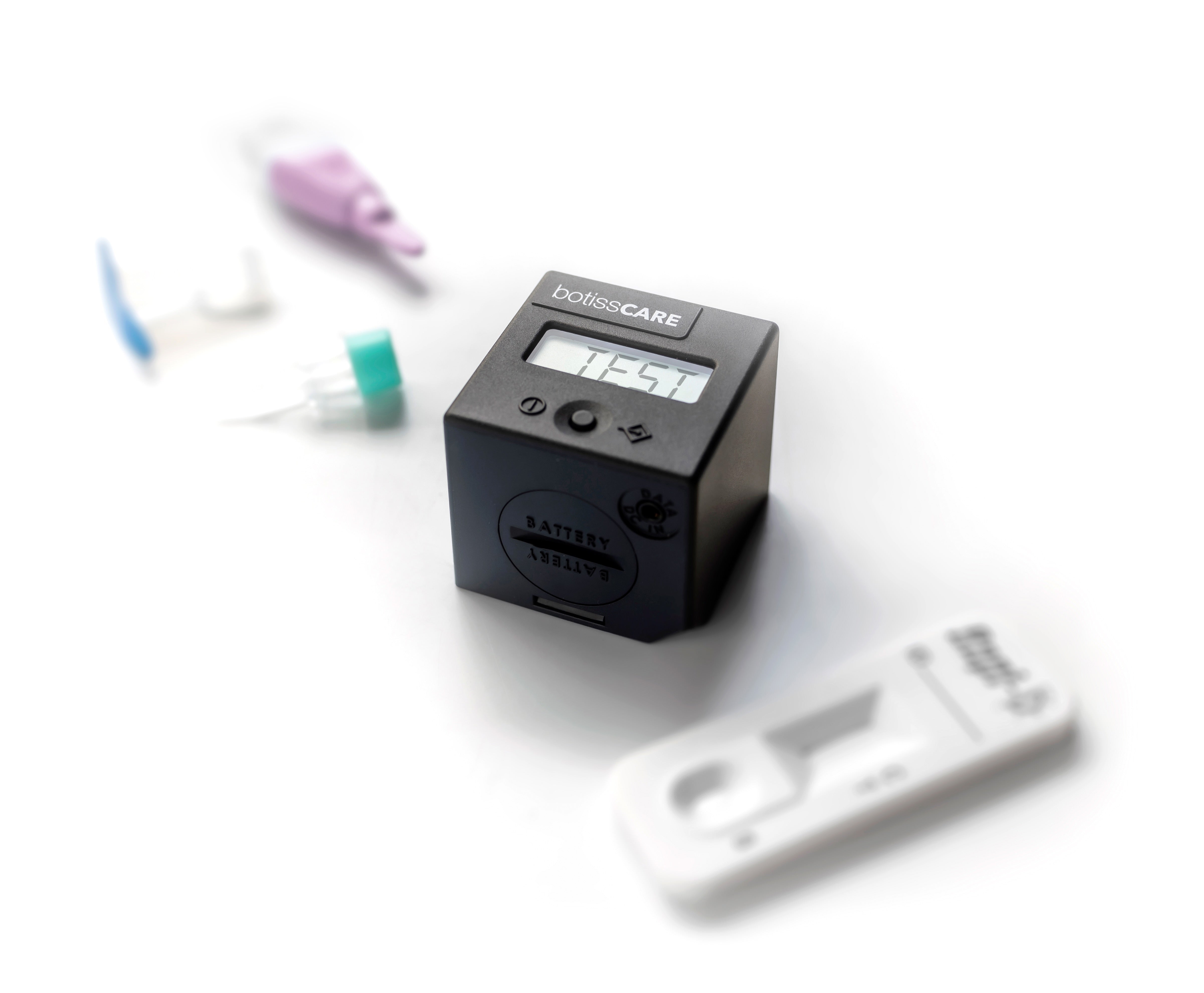
 botissCAREbotissCARE Cube ReaderbotissCARE’s reader for the Rapi-D™ vitamin D test. The sample is placed in the device, which shows the quantitative vitamin D value on its own display.
View product
botissCAREbotissCARE Cube ReaderbotissCARE’s reader for the Rapi-D™ vitamin D test. The sample is placed in the device, which shows the quantitative vitamin D value on its own display.
View product
 VHCVHC ReaderVHC’s reader for vitamin D test cards. Shows the result on its own screen within about 15 minutes – no extra software.
View product
VHCVHC ReaderVHC’s reader for vitamin D test cards. Shows the result on its own screen within about 15 minutes – no extra software.
View product
Step 3 · The result is shown in a companion app
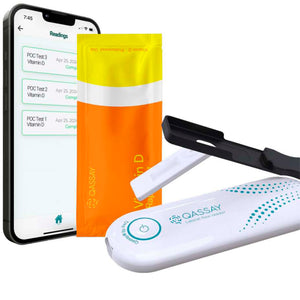
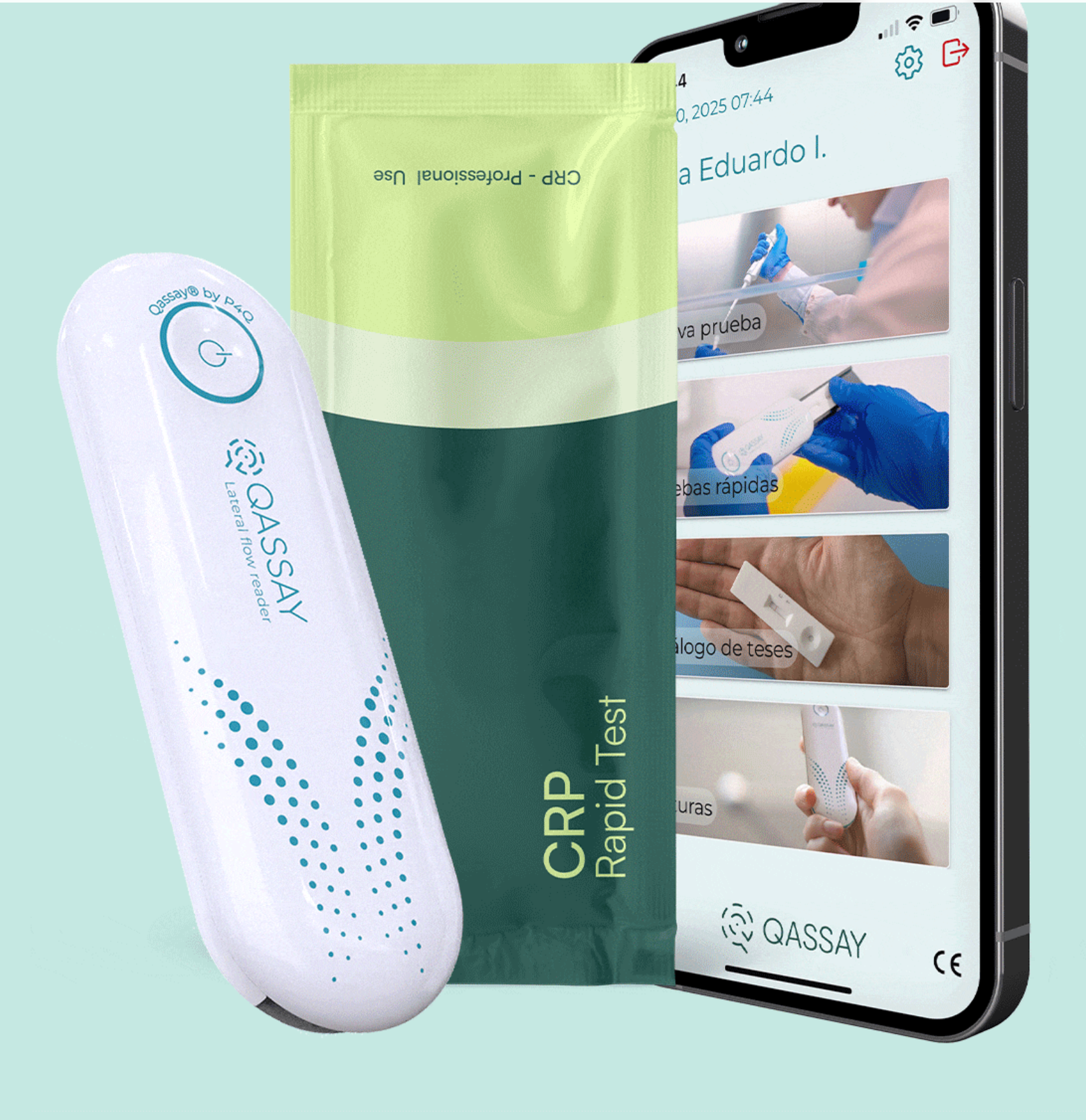
The reader sends the result to an app on a phone or tablet, where it is displayed, stored and can be shared – ideal if you want digital record-keeping of test results.
Why test in the clinic
Point-of-care diagnostics gives you the answer while the decision is being made
Chairside diagnostics is not an end in itself – it matters when the result genuinely affects the treatment you are planning. Here are three reasons why testing in the clinic makes good clinical sense.
01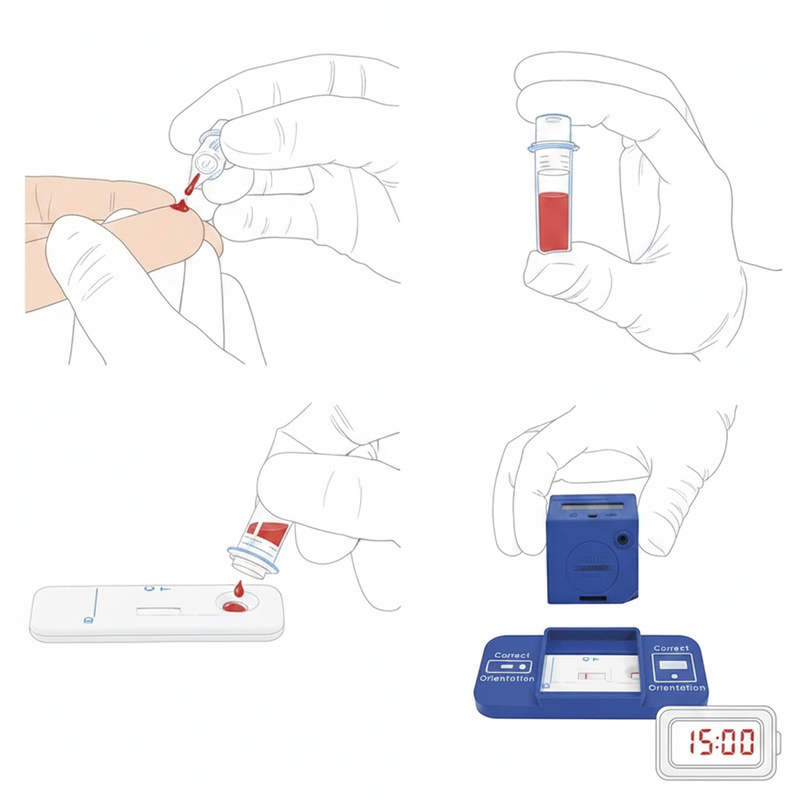
No external lab wait
The result is ready while the patient is still in the chair
A capillary drop of blood is analysed in the clinic and gives a quantitative result in about 15 minutes – instead of waiting days for an external laboratory. That means the treatment plan can be settled during the same visit, rather than being postponed or requiring another trip to the patient's doctor. See Test readers
02
Directly linked to the treatment plan
The marker only matters if it changes the decision
Vitamin D status matters for bone healing and osseointegration, and is therefore relevant to know before implants are placed. CRP is a marker of systemic inflammation and can provide objective input ahead of larger invasive procedures. HbA1C reflects long-term blood sugar regulation and matters for wound healing and periodontal status in patients with diabetes. In all three cases, the point is not the test itself, but that it provides a concrete number on which to plan the treatment.
03
Better patient dialogue – and a new service
A concrete number opens the conversation about mouth and body
A measured result makes it easier to talk to the patient about the link between oral and general health, and can motivate follow-up with their doctor or a change in behaviour. At the same time, point-of-care testing is an extra service the clinic can offer without investing in a full laboratory.
Marker → clinical relevance
Vitamin DBone healing and osseointegration – relevant before implant surgery
Low vitamin D status is associated with reduced bone density and may affect bone anchorage around an implant.
CRPSystemic inflammation – relevant before invasive procedures
A raised CRP may indicate active systemic inflammation or infection, which should be clarified before planning major surgery.
HbA1CLong-term blood glucose control – relevant in diabetic patients
A high HbA1C reflects poorly controlled blood glucose over the past 2–3 months and is associated with slower wound healing and increased risk of periodontal breakdown.
Products in category
Vitamin D starter pack, VHC Reader + 25 Vitamin D tests
8.250,00 DKKIncl. VAT
VHC-STARTUP-25
The tests
- Vitamin D: quantitative tests of total 25-OH vitamin D from VHC, Qassay and botissCARE (Rapi-D™).
- HbA1c: gives a picture of the patient's long-term blood sugar control (Qassay).
- CRP: measures C-reactive protein, a general marker of systemic inflammation (Qassay).
Readers and starter kits
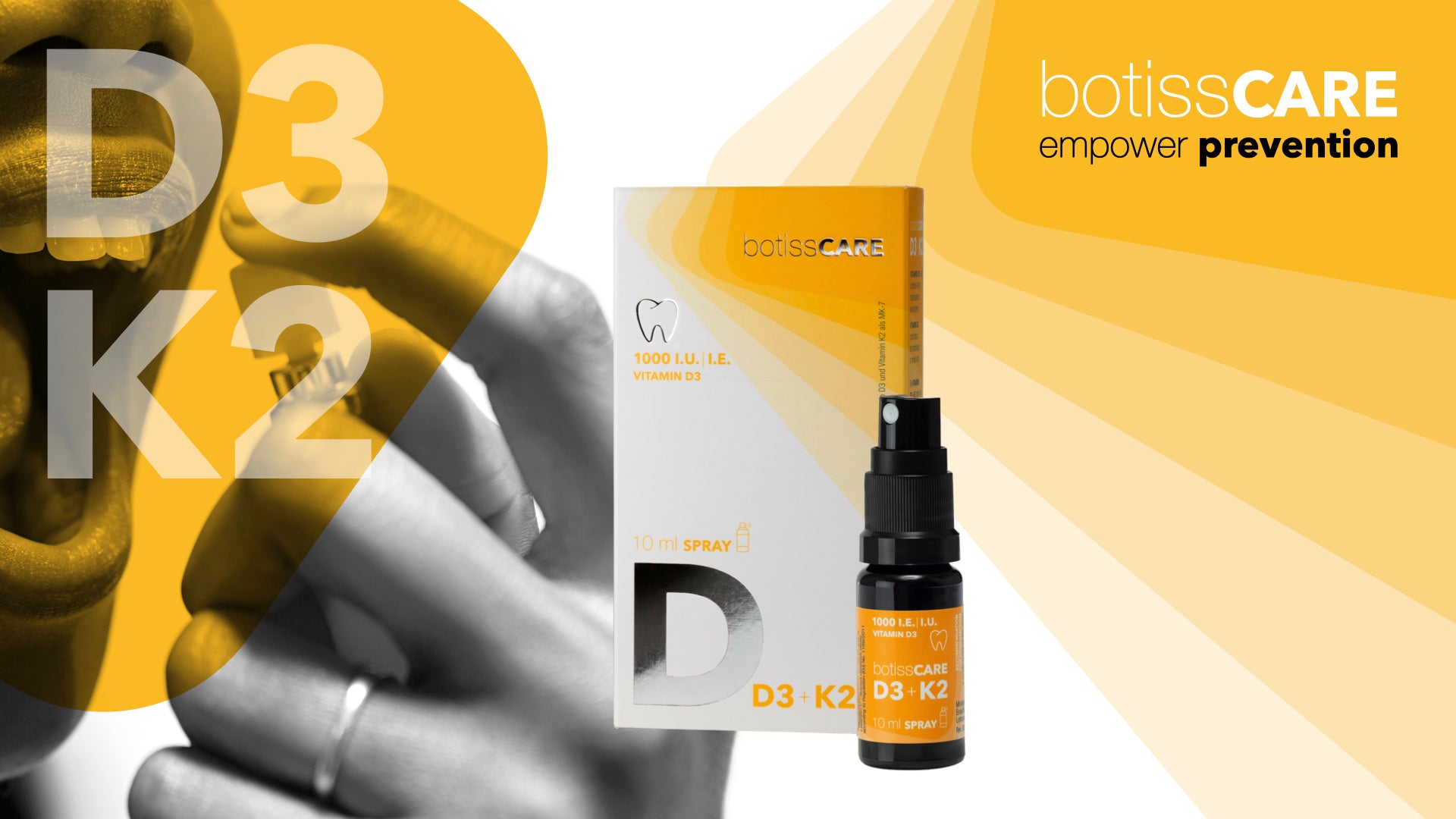
Each test card is read in its own reader: the VHC Reader, the Welleo Professional Reader for Qassay's test cards and the botissCARE Cube Reader. For VHC and botissCARE there are starter kits with a reader and tests. We also stock botissCARE D3+K2 spray, which is a food supplement.
Sampling
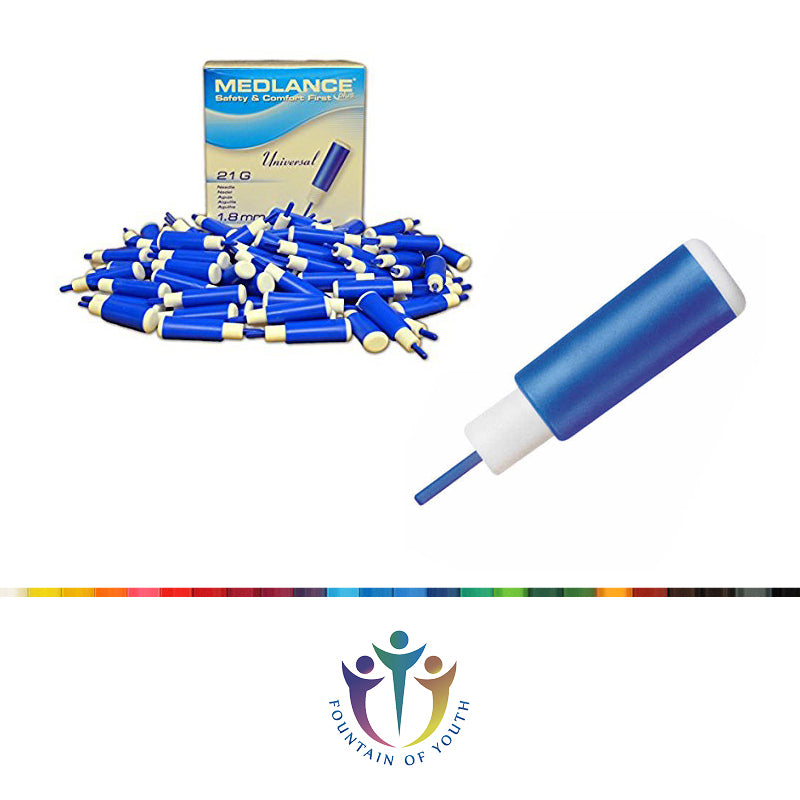
The tests use a drop of capillary blood from the finger. Sterile single-use lancets and alcohol swabs can be found here. If the clinic wants to learn venous blood sampling, we run a blood sampling course.