


Donorknogle
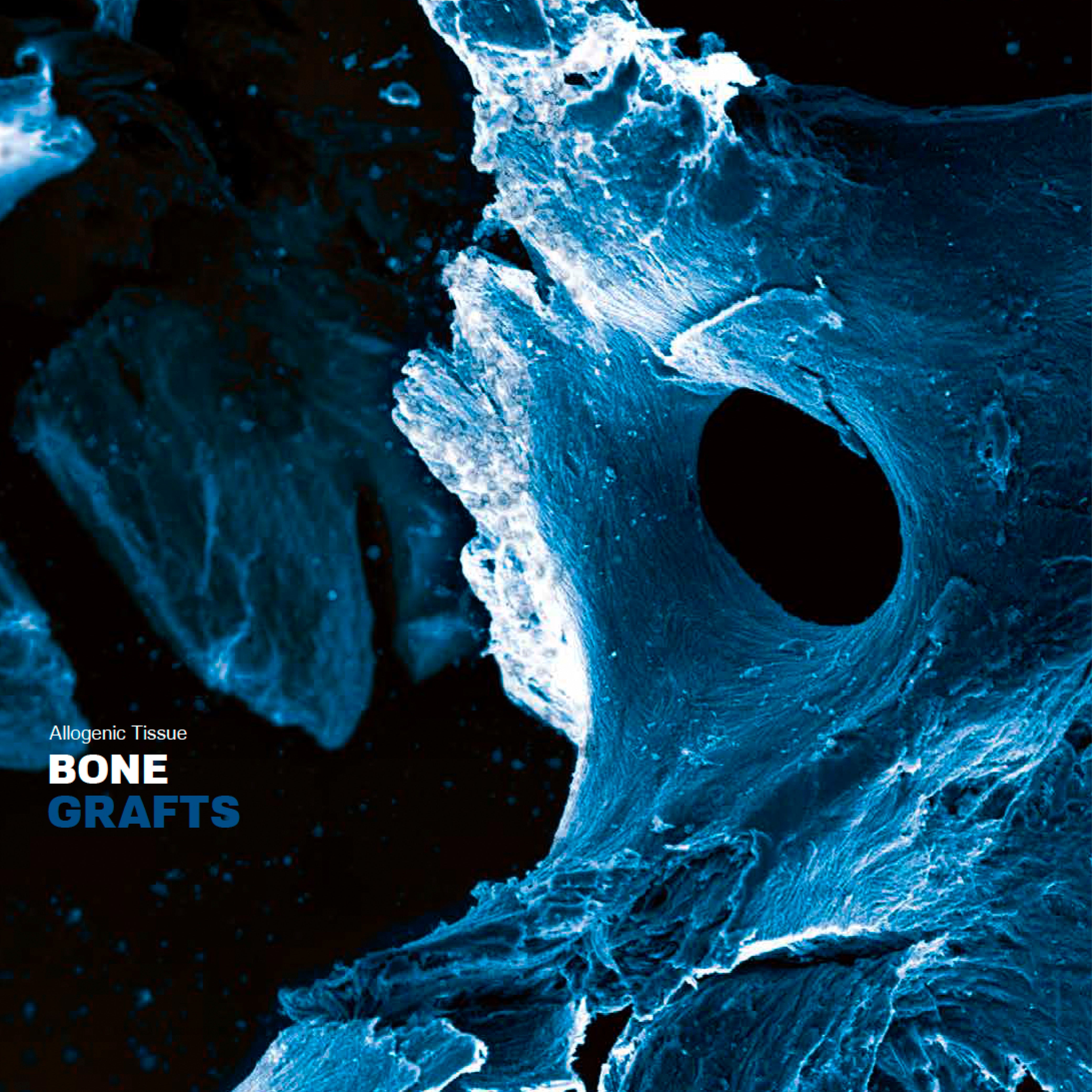
Allografts er et effektivt og veldokumenteret valg inden for dental kirurgi, især ved knogleopbygning og regenerationsprocedurer. De er biologisk kompatible og understøtter kroppens egen knogledannelse.
The benefits include eliminating the need to harvest bone from the patient themselves, thereby reducing operating time, pain, and the risk of complications. At the same time, allografts are easy to handle, available in consistent quality, and supported by extensive clinical documentation, ensuring both predictable and reliable treatment outcomes.
botiss tissue bank C+TBA
Botiss biomaterials produces their allografts in cooperation with the C+TBA tissue bank in Austria. The Maxgraft® product range includes granules, bone blocks, and bone plates.

Tissue Bank DIZG
DIZG is the oldest German tissue bank located in Berlin. We have been working with DIZG since 2015.
All products
Use the filter function to find the allograft products you need. If you are in doubt, please call us on +45 3131 1925
Cortical / Cancellous block, J-shape 4-5 x 10 x 10-15 mm from DIZG, GT2745
2.865,00 DKKInkl. moms
GT2745
Cortical / Cancellous block, C shape 10 x 15 x 20 mm from DIZG, GT2765
4.368,00 DKKInkl. moms
GT2765

maxgraft® Hya
Cases
Benyt vores cases som inspiration til dine behandlinger

maxgraft®
Immediate implantater tand nummer 12 og 11 dobbeltzonetransplantation med maxgraft®-granulat
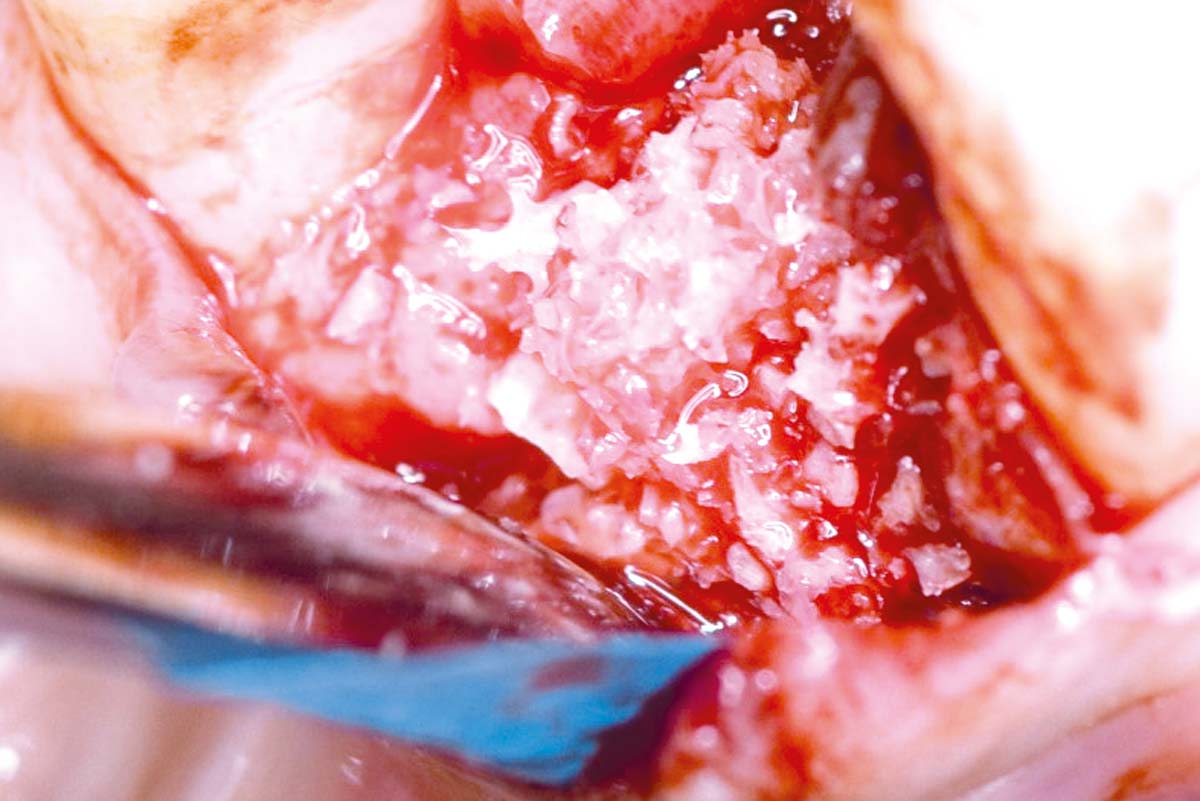
Maxgraft®
Behandling af periimplantitis i den æstetiske zone – rekonstruktion af hårdt- og blødtvæv.
See the individual steps in the manufacture of allografts

The ALLOTEC Manufacturing Process
1. Shaping
After mechanical removal of soft tissue, fat, and cartilage, the tissue is given its final shape, e.g., block, wedge, granule, or cylinder.
2. Ultrasonic bath
Ultrasonic cleaning removes blood, as well as cellular and tissue components. During this process, fat is also dislodged from the trabecular structures of the bone, which reduces the immunogenic potential and facilitates the penetration of reagents in the subsequent steps.
3. Cleaning with volatile reagents
Repeated rinsing with diethyl ether and ethanol dissolves cellular components from the tissue and denatures non-collagenous proteins. Any present viruses are inactivated, and bacteria are destroyed.
4. Oxidative Treatment
Hydrogen peroxide denatures residual soluble proteins, specifically inactivates non-enveloped viruses and bacterial endospores, and reduces antigenicity to a minimum. The collagen matrix remains intact.
5. Freeze-drying
Freeze-drying (lyophilization) enables gentle removal of water from the tissue. The structural integrity of the tissue is preserved during the process. A residual moisture content of ≤10% combined with double packaging ensures a shelf life of up to five years at room temperature.
6. Final sterilisation
The final tissue-preserving irradiation at controlled low temperature – in combination with the preceding cleaning steps – achieves a sterility assurance level (SAL) of ≥ 10⁻⁶.
Source: CTBA
See how allografts are made

Get more information
Patient leaflet
Contact us to receive the relevant patient flyer info@puredent.dk

Botiss catalog

DIZG catalogue
If you're unsure how to use Allografts, please contact us