The orthodontic appliance environment favours plaque maturation, inflammatory change and enamel demineralization between visits
A clear aligner worn 22 hours a day is not a neutral appliance. Like other orthodontic appliances, including brackets and attachments, it creates plaque-retentive areas where oral hygiene becomes more demanding. It seals the tooth surface, reduces salivary clearance over the enamel and creates a microenvironment where plaque accumulates at appliance margins, in cervical zones and in the interdental spaces.
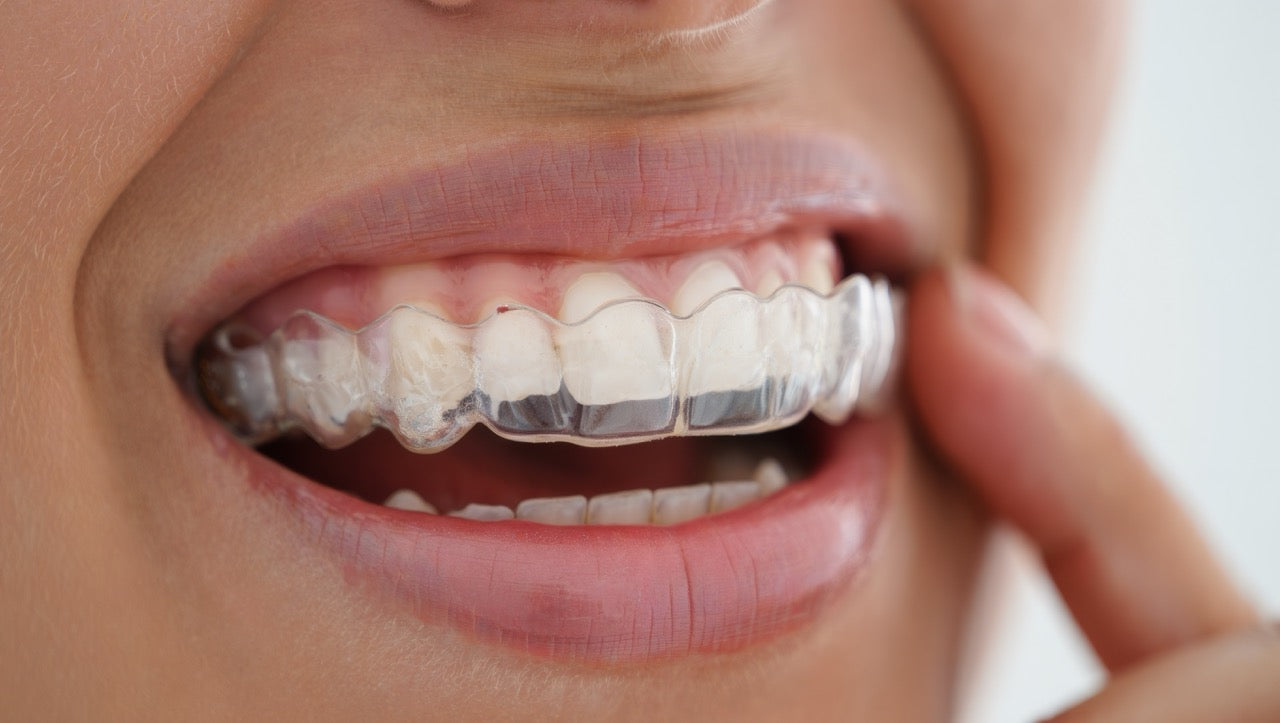
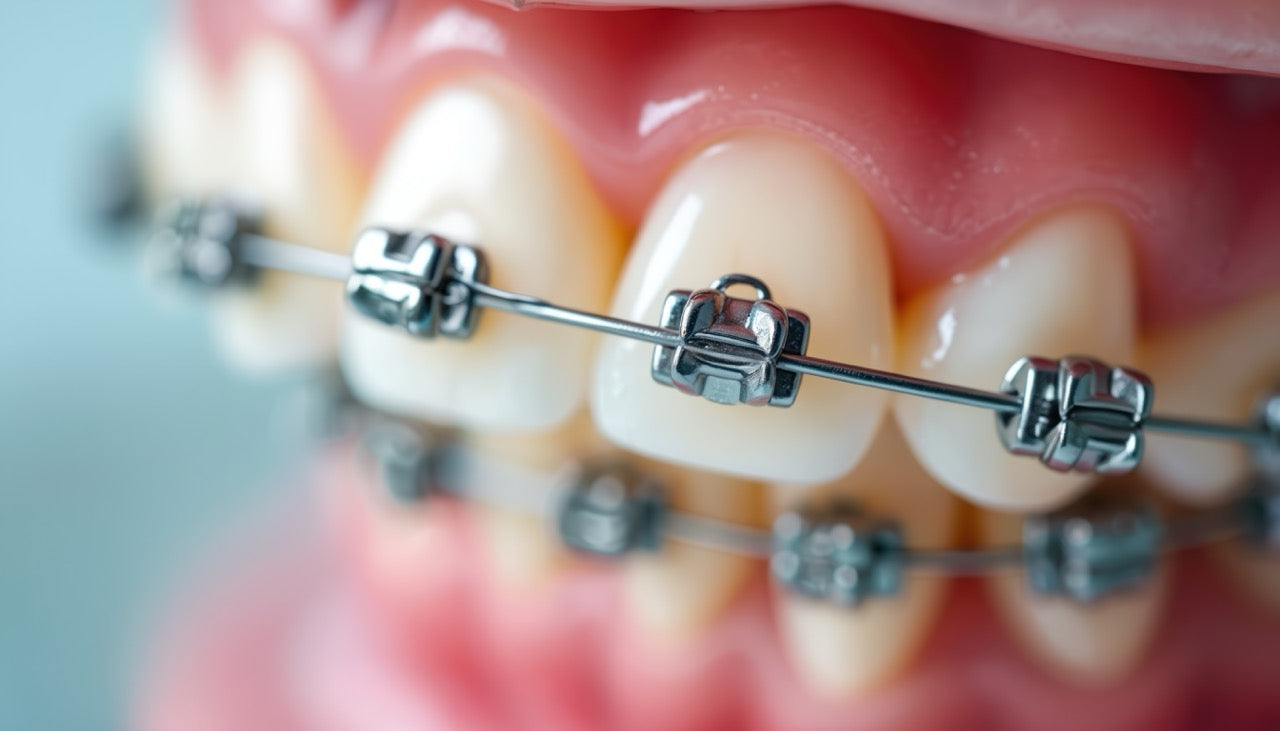
Aligners create a closed biofilm environment and brackets are hard to keep completely clean.
22 hours of daily aligner wear reduces natural salivary clearance and increases the risk of plaque accumulation, inflammation and demineralization between check-up visits.
- White spot lesions
Demineralization around the aligner edges can compromise the final aesthetic result. - Gingival inflammation
Inflammation affects tissue, comfort and aligner adaptation. - Tracking loss
Inflamed tissue can reduce tracking accuracy and increase the need for refinements. - Caries risk
Acidogenic bacteria under the aligner increase the risk of caries.


The risk lies in the residual biofilm
Lumoral addresses a clinically important gap in hygiene during orthodontic treatment: the residual biofilm that remains between visits despite brushing. It is used as an adjunctive home treatment intended to reduce plaque accumulation before it develops into marginal inflammation, acid-driven demineralization and the tissue changes that can complicate aligner tracking and orthodontic control.
Lumoral®
Biofilm control designed for daily use
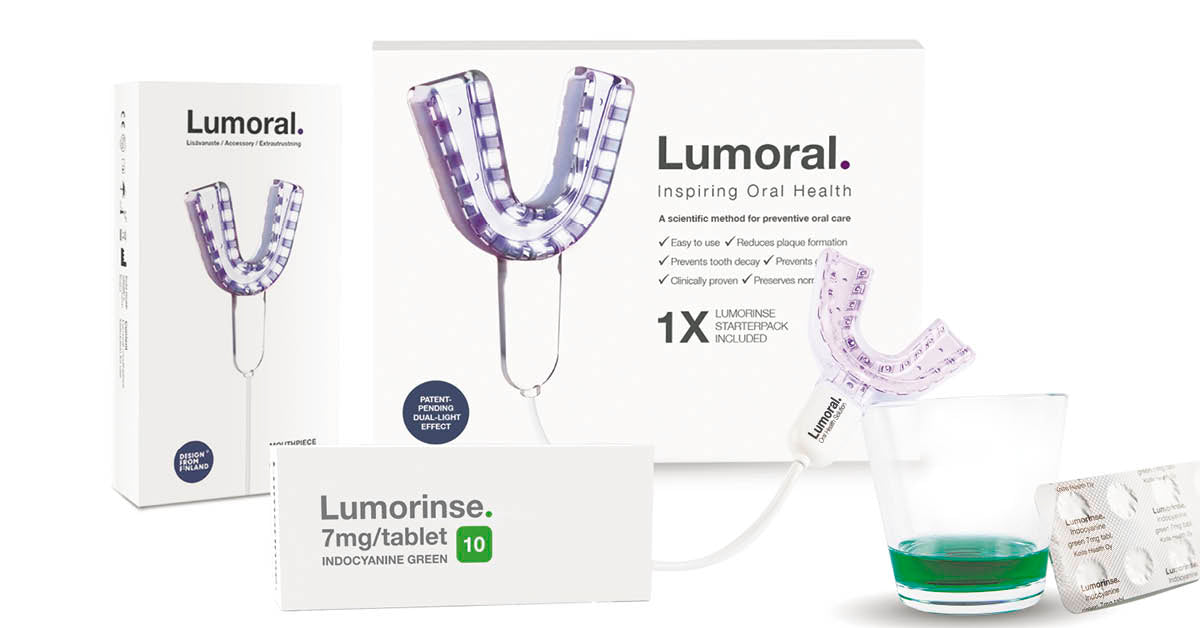
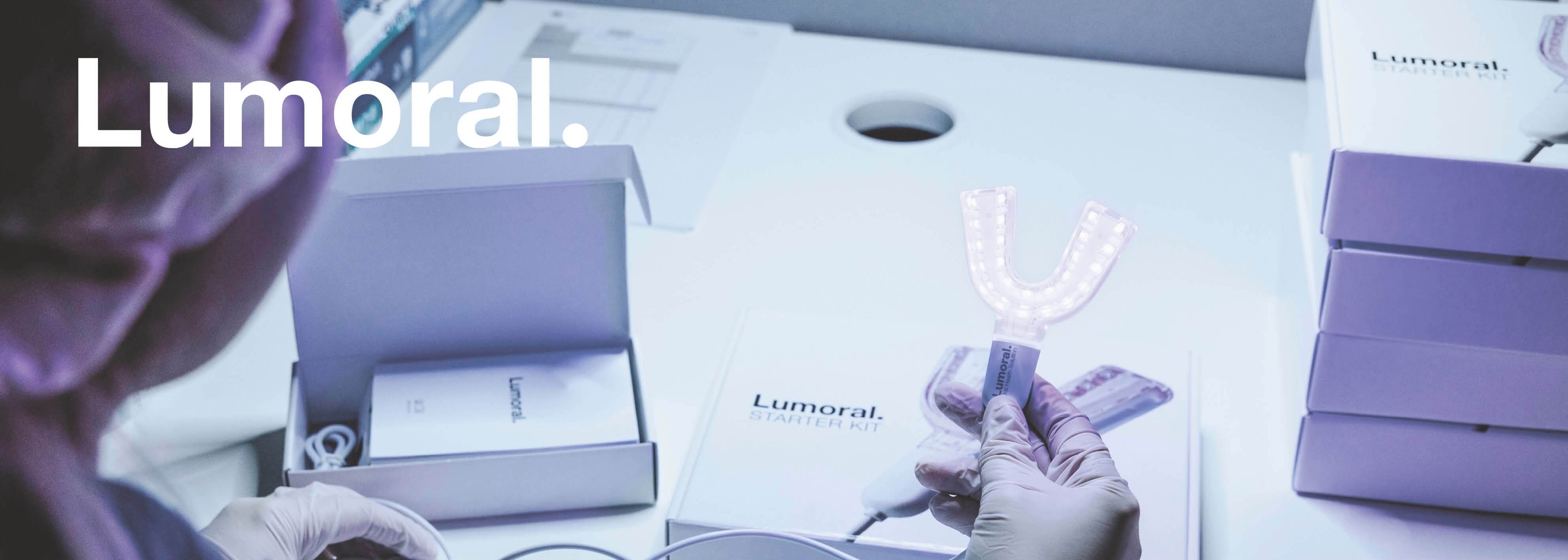
Lumoral combines antibacterial blue light with photodynamic therapy to control plaque and inflammatory load throughout the aligner treatment.
ABL · 405 nm
Targets plaque-associated bacteria with antibacterial blue light.
APDT · 810 nm + ICG
ICG binds selectively to plaque and is activated by near-infrared light.
No resistance · No staining
Suitable for continuous use throughout the treatment course.
An alternative to long-term chlorhexidine use
Problems with CHX
- staining
- dysgeusia
- microbiome disruption
- poor compliance
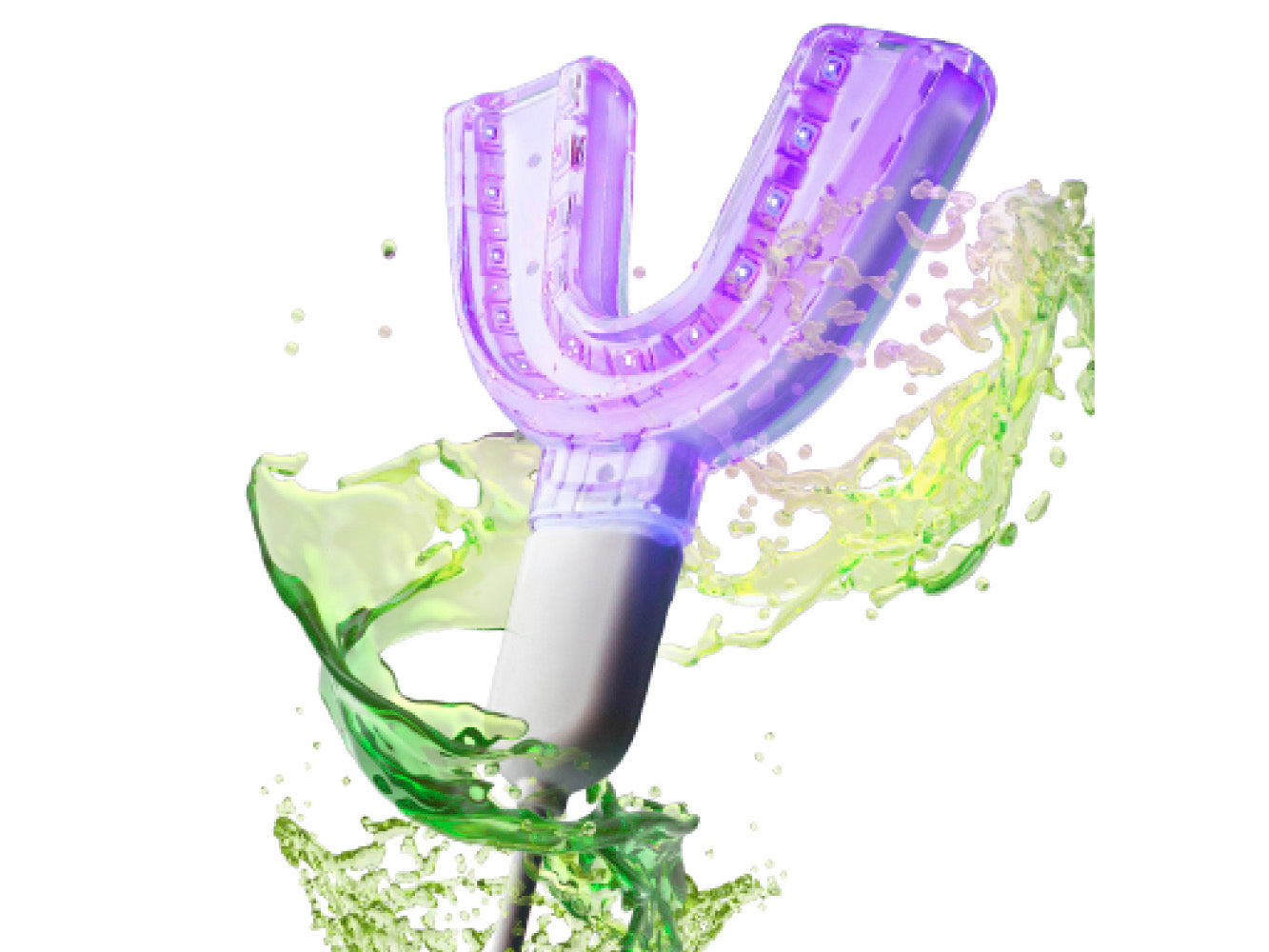
Lumoral®
- no staining
- no resistance
- no microbiome disruption
- designed for long-term use
- compatible with aligners

85% maintained BOP ≤10%
N = 40 · RANDOMIZED · SUBMITTED MANUSCRIPT · DATA ON FILE
In a single-site, randomized, assessor-blinded clinical study of adolescents starting fixed orthodontic treatment, home-applied dual-light aPDT used alongside standard hygiene supported better plaque and inflammation control over 12 weeks than standard hygiene alone. VPI decreased 1.8× more with dual-light aPDT than in controls (-7.65% vs -4.22%). A higher proportion of participants in the dual-light group maintained BOP ≤10% compared with controls (85% vs 58%), and fewer participants showed an increase in BOP values (35.0% vs 78.9%).
Hashemi-Elses et al. ClinicalTrials.gov ID: NCT05825742
51% with BOP<10%
N = 200 · RANDOMIZED, PEER-REVIEWED · 2026
In Stage I–III periodontitis patients on supportive periodontal care (SPC), reductions in key measurements were greater with home-applied dual-light therapy as an adjunct to SPC than with SPC alone. At 6 months, 51% of participants on SPC+dual-light had BOP<10%, versus 23% with SPC alone. At 6 months, 63% had visible plaque (VPI) <10% with SPC+dual-light, versus 38% with SPC alone. The number of sites with PPD ≥4 mm was also lower with SPC+dual-light.
Pakarinen S et al. Journal of Periodontology. 2026. DOI: 10.1002/jper.70082
PISA reduction 50,4 %
N = 31 · RANDOMIZED, MULTI-CENTER, PEER-REVIEWED (IN PRESS) · 2026
In a multicenter, Stage I–III periodontitis study on supportive periodontal care (SPC), inflammation and plaque reduction were greater with SPC+home-applied dual-light therapy than with SPC alone. At 6 months, the inflamed periodontal epithelial surface area (PISA), reduced from 385 to 191 mm2 (p=0.034) with the SPC-dual-light, versus 226 to 174 mm2 (p=non-significant). Mean visual plaque index (VPI) reduced from 20,9 to 10,6% with the SPC-dual-light, versus 19,6 to 15,7% with SPC only.
Tegelberg P et al. Preprint available at medRxiv. 2025. DOI: 10.1101/2025.03.25.25324596
Plaque reduction -21,2%
N = 30 · CROSSOVER, PEER-REVIEWED · 2025
In a crossover study of healthy adults aged 20–25, when participants were using Lumoral, the Greene-Vermilion plaque scores reduced by 21.2% (significant reduction, p < 0.0001), and 6.5% (p = 0.107) with conventional home care. This is the closest age profile to many aligner patients.
Gusseva L, Lill LL. Journal of Dentistry. 2026. DOI: 10.1016/j.dent.2026.106641
A structured aligner protocol in 3 phases
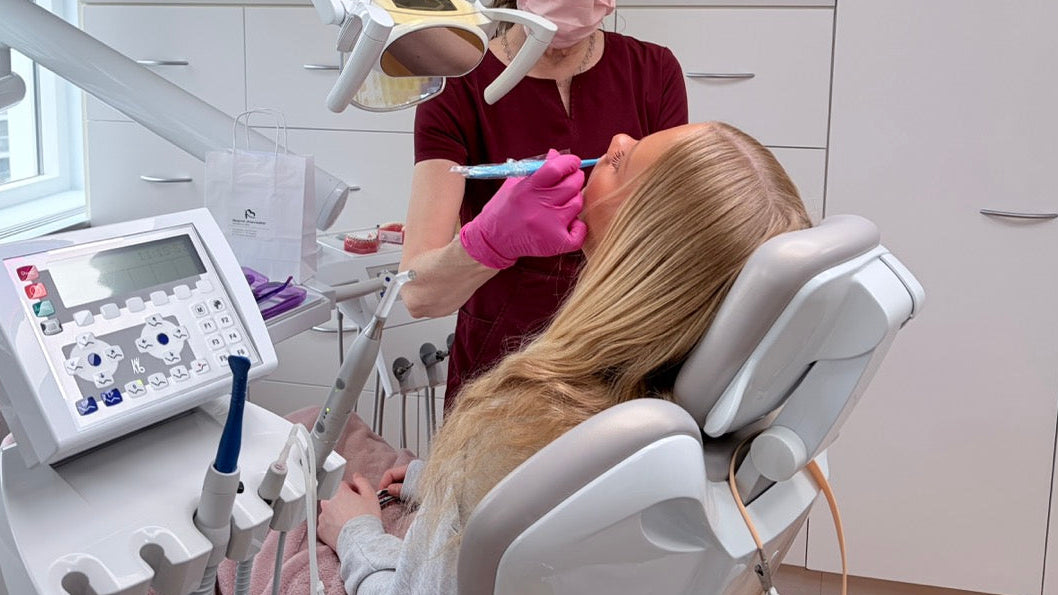
1. Before treatment
- Stabilize the gingiva
- Reduce BOP
- Create a healthy baseline before scanning
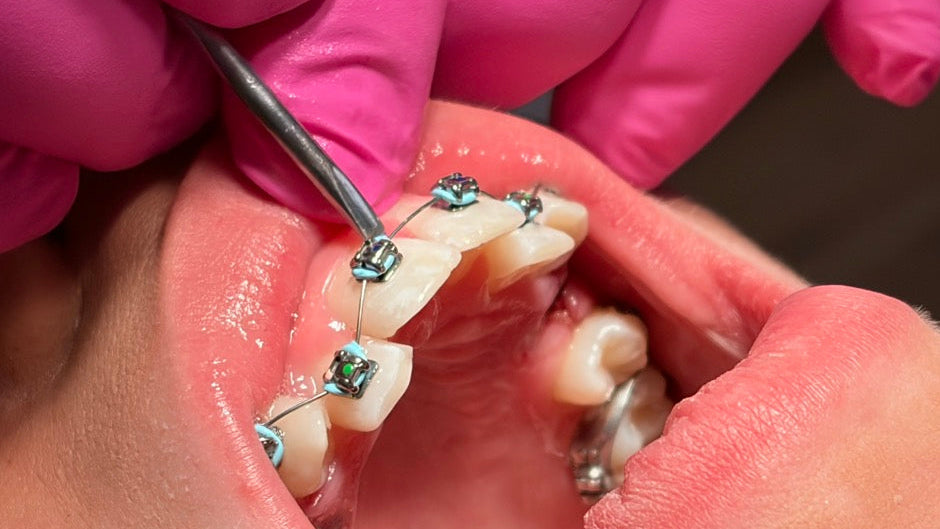
2. Active treatment
- 3 sessions weekly, or daily in high-risk cases
- Reduce plaque around aligners
- Support tracking accuracy
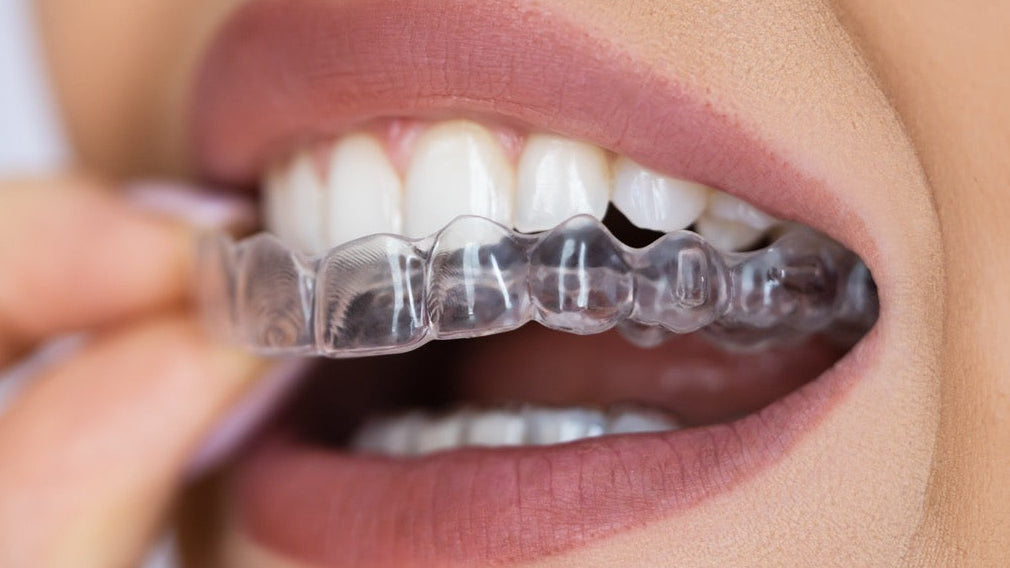
3. Case completion
- Document tissue health
- Reduce white spot lesions
- Support the retention phase
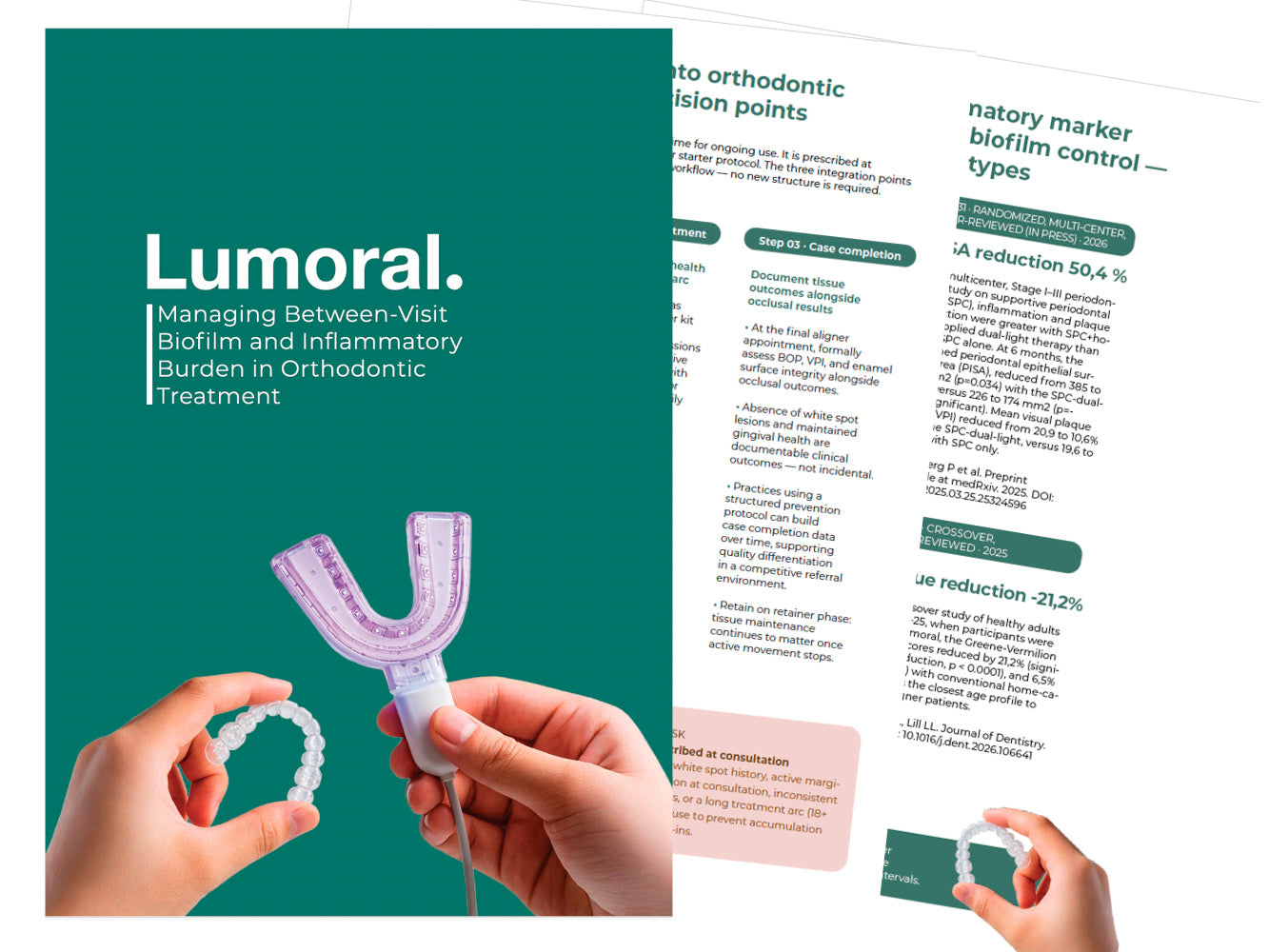
Orthodontic protocol
Download the brochure for more detail on the points on this page.
Example of Lumoral® products for orthodontic treatment
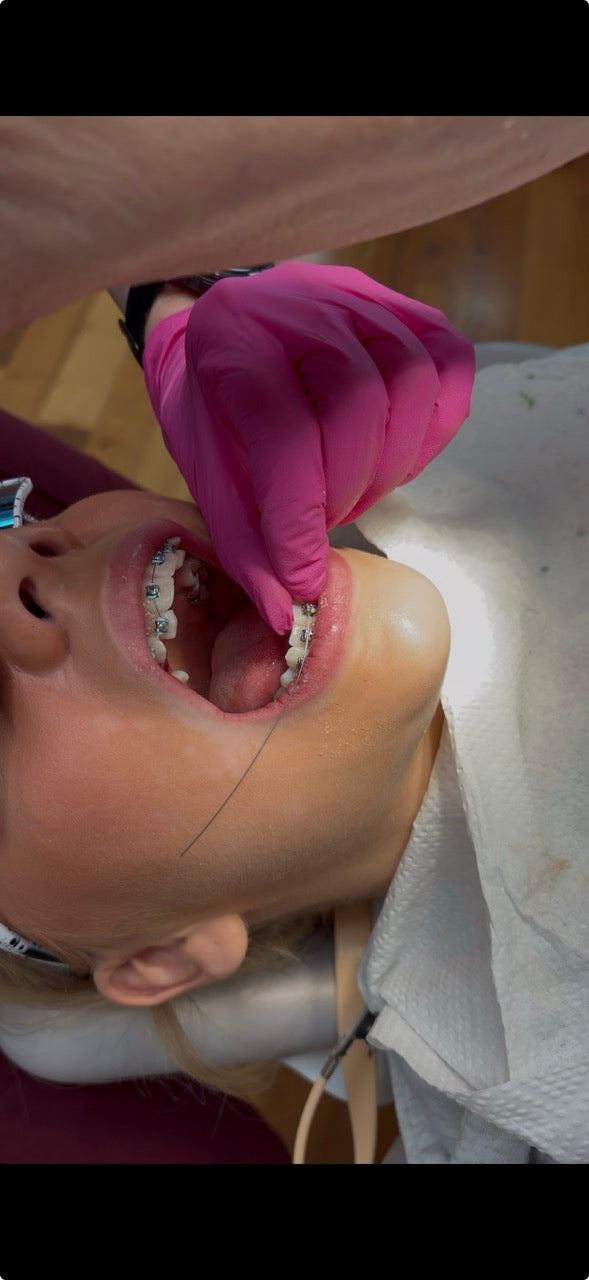
Orthodontics pack
The Lumoral® orthodontics pack consists of a starter pack + 90 Lumorinse® and is intended for a 6-month course with Lumoral® used 3 times a week. After that the patient buys more Lumorinse®.

Lumoral® patient starter pack (for dental clinics only)
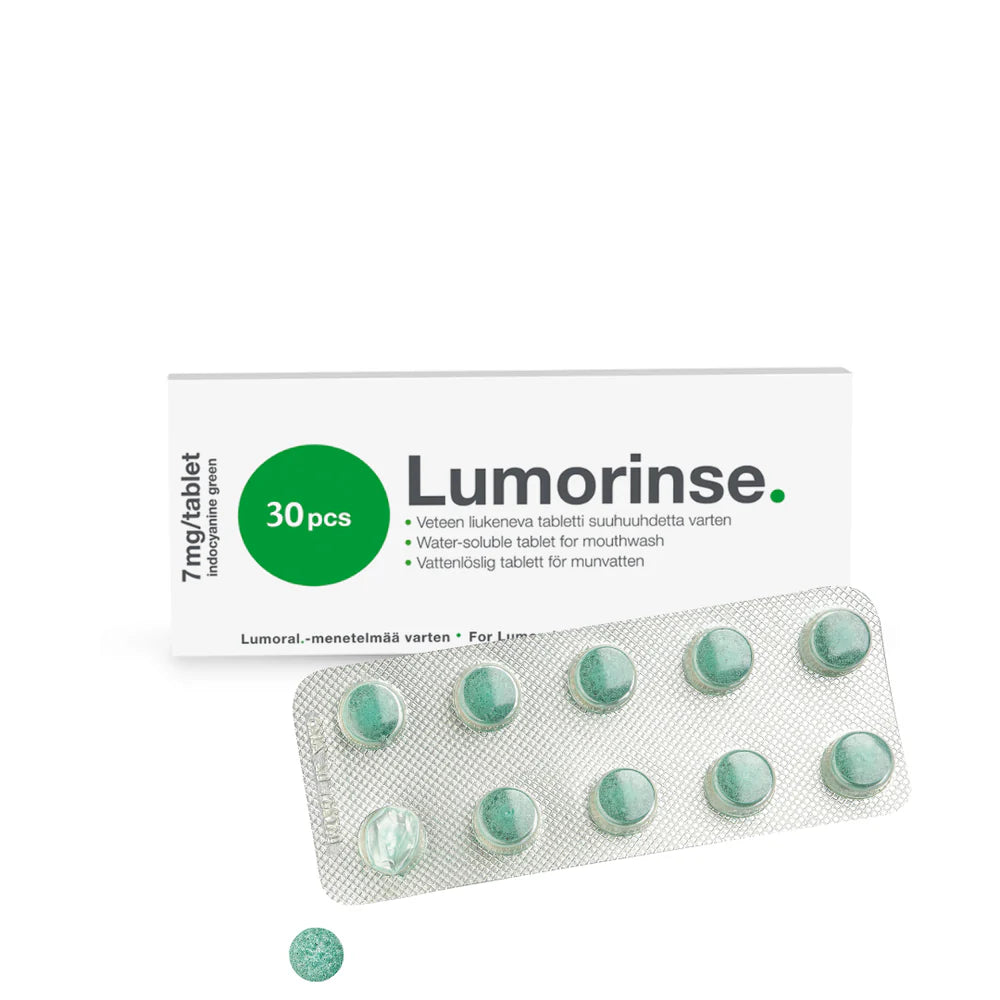
Lumorinse® 30 pcs. (for dental clinics only)
Contact us here:
Let us help you build Lumoral® into your orthodontic treatments!